


 Basket

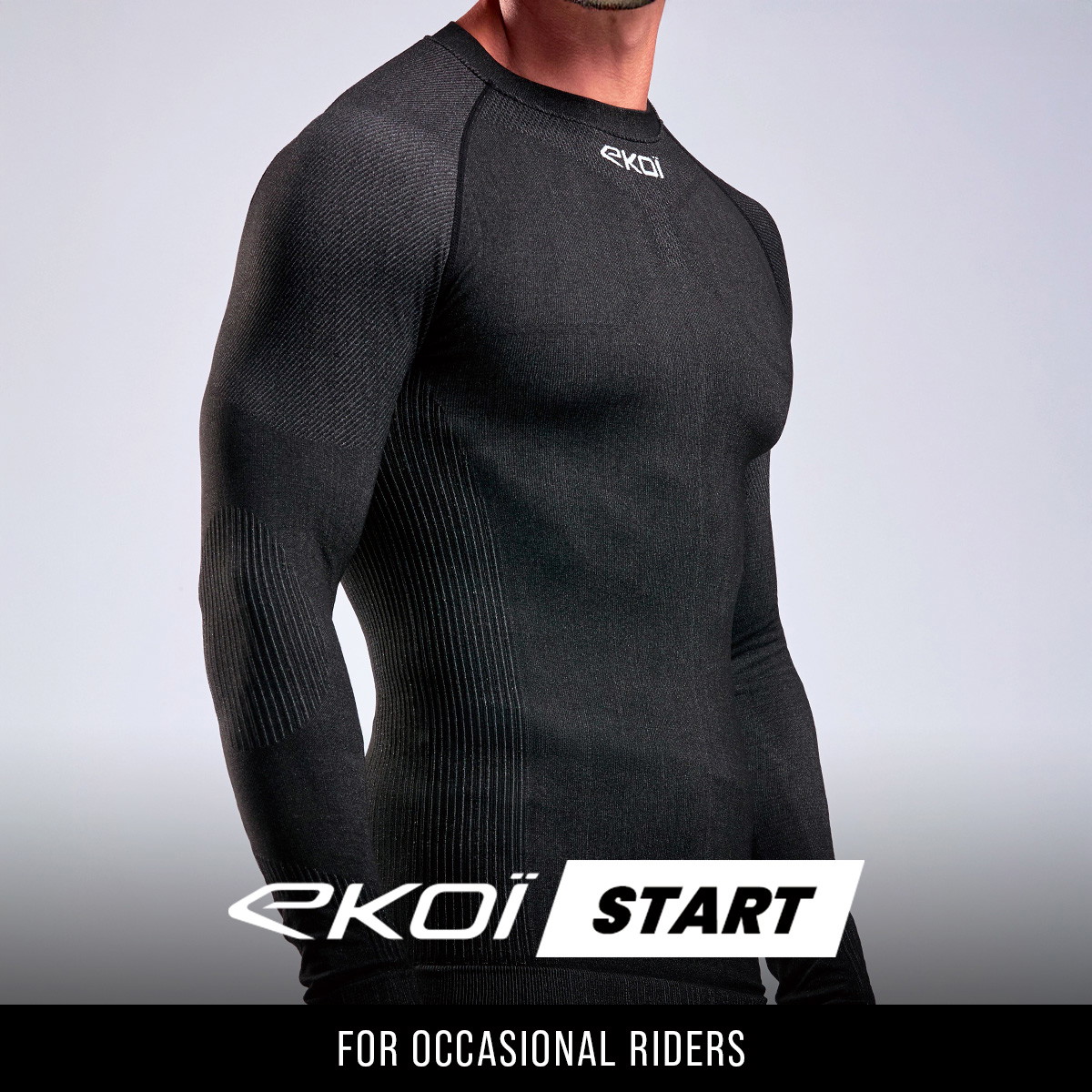
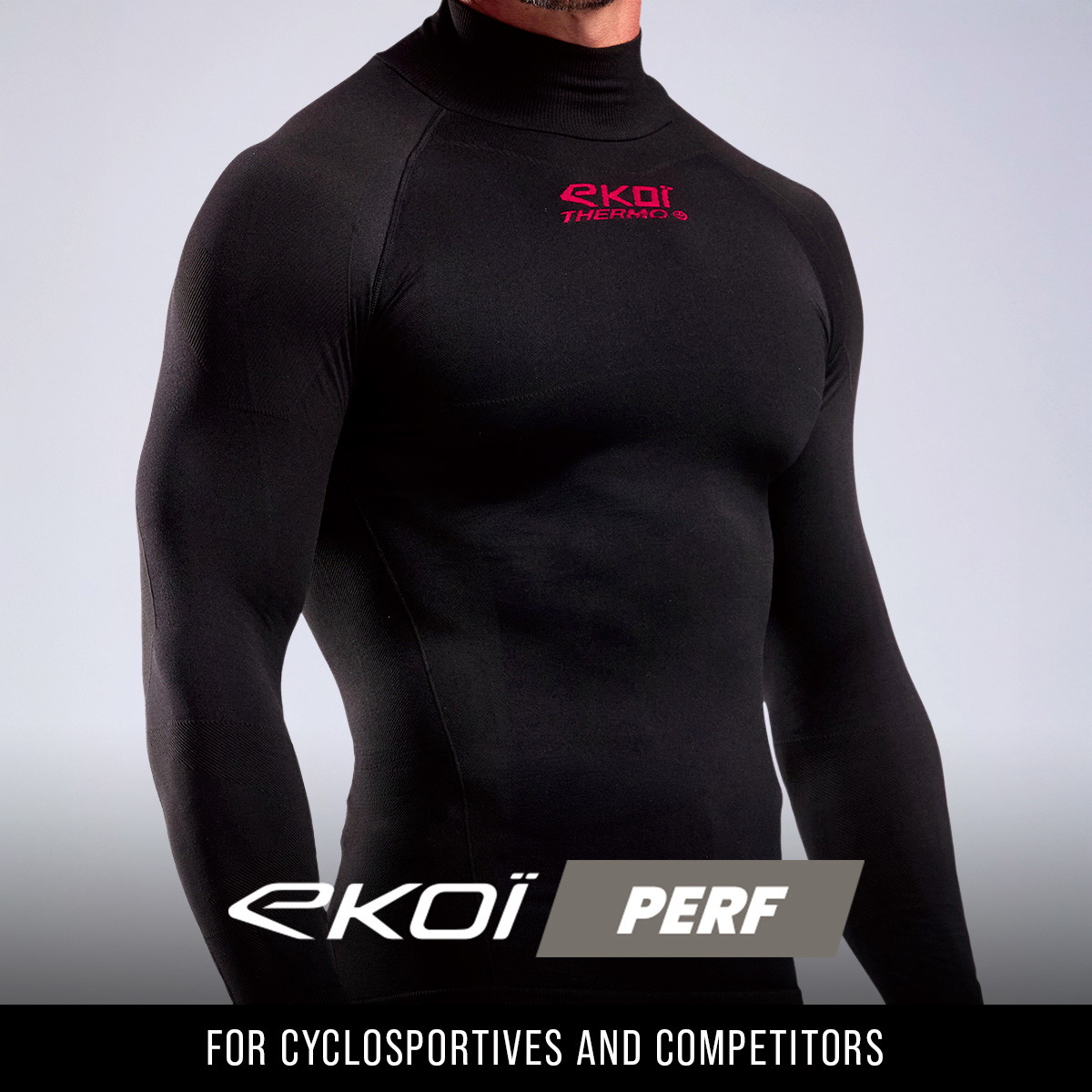
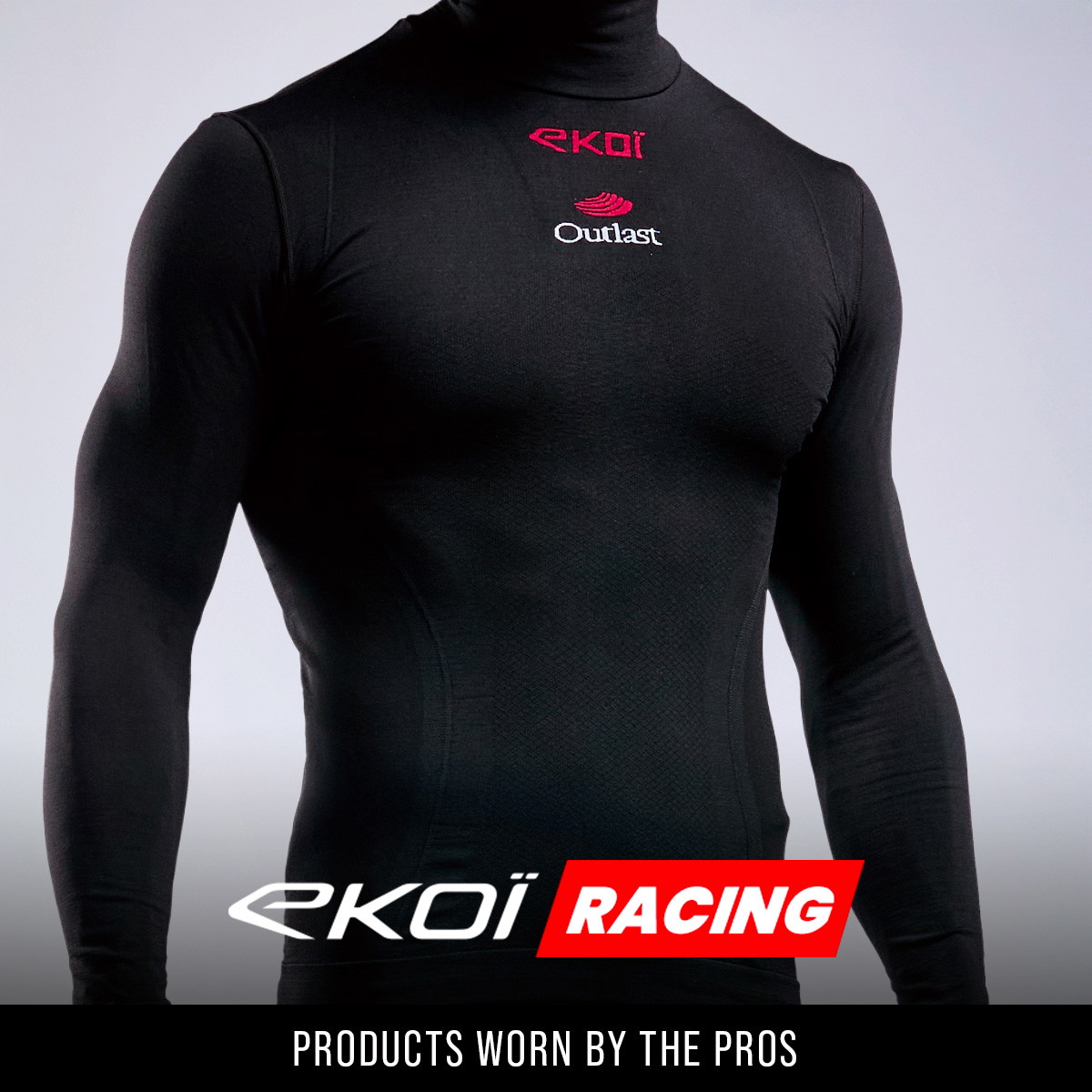
-
PERF
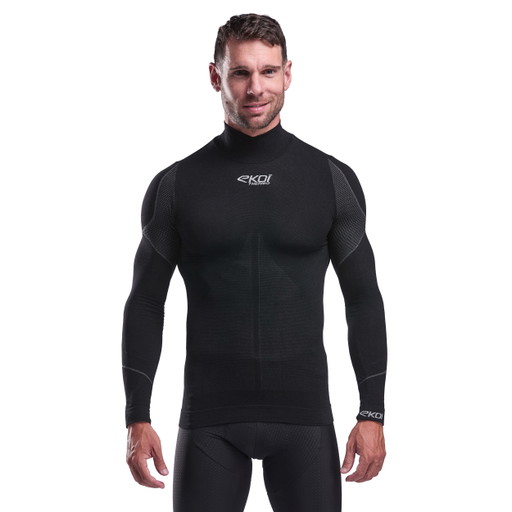 $22.67 -60% $56.69S/ML/XLXXL
 -
PERF
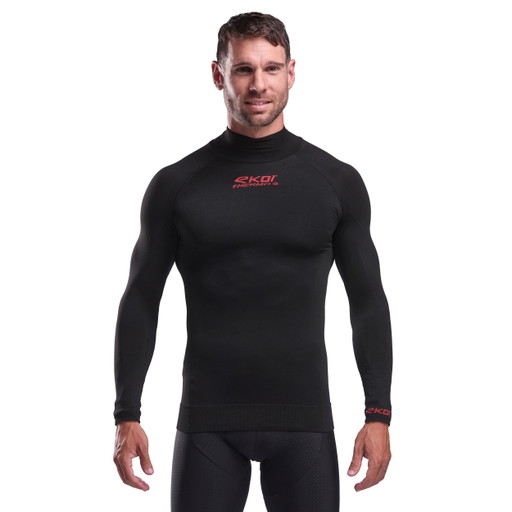 Base layer perf thermo cold extreme blackExtreme Cold$37.79 -50% $75.58S/ML/XLXXL
 -
RACING
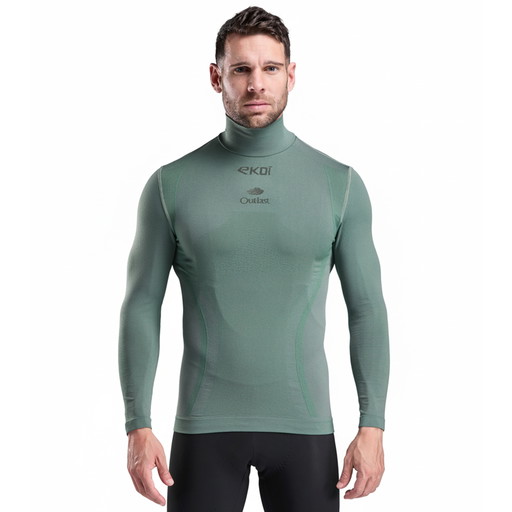 Winter base layer racing outlast greenThermoregulator Extreme Cold$47.24 -50% $94.48L/XL
 -
RACING
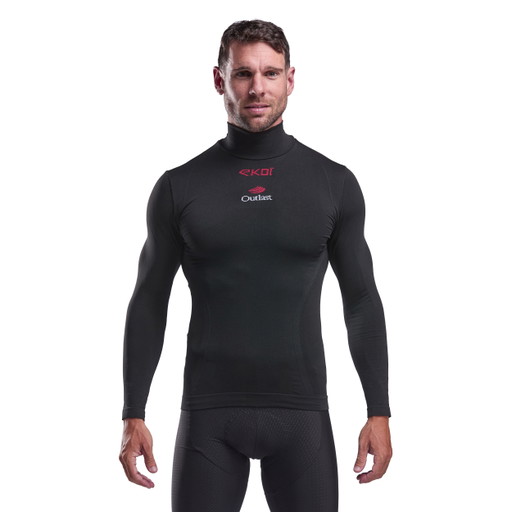 Base layer racing outlast longues sleeves blackThermoregulator Extreme Cold$66.14 -30% $94.48S/ML/XLXXL
 -
PERF
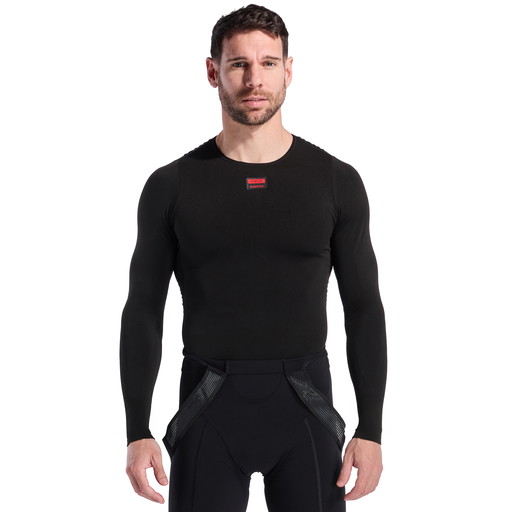 Winter base layer perf windtechWind proof Mid-season$37.79 -50% $75.58S/ML/XL
 -
PERF
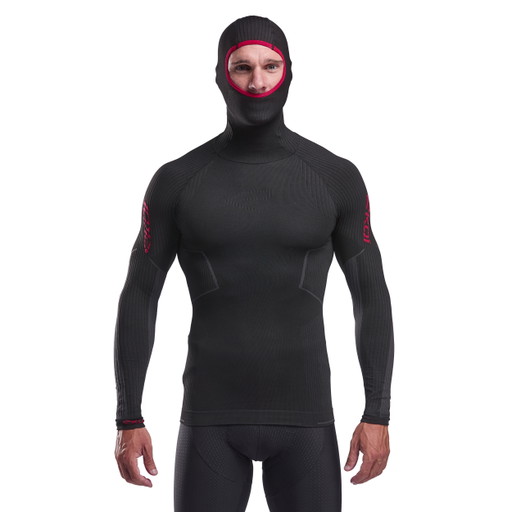 Base layer winter perf thermo evo hoodieExtreme Cold$47.24 -50% $94.48S/ML/XL
 -
RACING
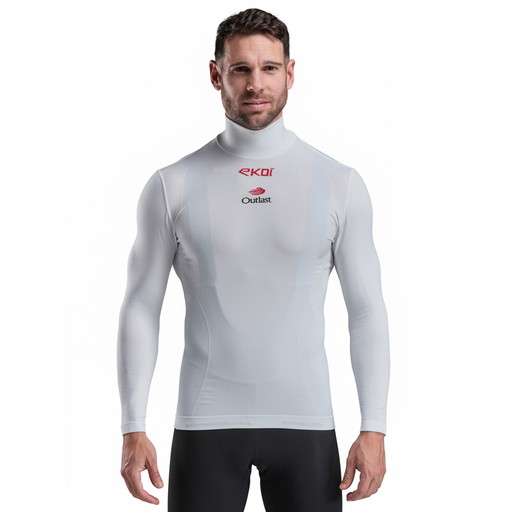 Winter base layer racing outlast whiteThermoregulator Extreme Cold$66.14 -30% $94.48S/ML/XLXXL
Explore a wide range of cycling gear
The role of the winter base layer in your layering system
Worn directly against the skin, the winter base layer forms the foundation of any cycling layering system: a first layer, an insulating jersey, then a windproof jacket on the outside. Its role is twofold: wick away moisture generated by effort to the outside and stabilise your body temperature, even during stops or descent phases where cooling is at its fastest.
Unlike a classic long-sleeve jersey designed as a standalone outer piece, the base layer has a close-fitting cut and a technical fabric entirely dedicated to moisture management rather than aesthetics. It can be worn just as well under a long-sleeve jersey as under a winter skinsuit, without ever creating uncomfortable bulk.
Merino wool or synthetic fibres: which material should you choose?
Merino wool offers natural thermoregulation and commendable odour resistance over several consecutive rides, while technical synthetic fibres dry faster and remain more budget-friendly. Both materials share the same mission: keep the skin dry at all times.
For long rides or repeated outings without washing in between, choose merino. For regular use with easy care, synthetic fibres are more than enough.
Long sleeves, short sleeves or sleeveless: which cut for your riding?
The long-sleeve winter base layer remains the benchmark for bitter cold, covering the entire arm down to the wrist. Short-sleeve or sleeveless versions are suited to milder temperatures, worn as an extra layer under a long-sleeve jersey without excessive warmth. A high collar or integrated hood adds extra protection to the neck area, often the first to be exposed to the wind.
The choice of cut also depends on your discipline: road and gravel rides call for a close-fitting cut under an aerodynamic kit, while mountain biking and winter running favour greater freedom of movement at the shoulders.
Equipping yourself according to the season and effort intensity
The ideal thickness depends as much on the outside temperature as on the intensity of your effort: a hard pace generates significantly more body heat than a relaxed endurance ride, which is why it makes sense to adjust the weight of the base layer accordingly.
This logic applies just as well to long winter distances, in ultra-distance, as to daily commuting in urban riding, where frequent stops expose you more to chilling.
Caring for and extending the life of your thermal base layer
Wash your winter base layer at low temperature, without fabric softener: softener clogs technical fibres and permanently reduces their breathability and moisture-wicking performance. Air-drying away from direct heat preserves the fabric's elasticity over time.
For a complete cold-weather setup, pair it with a thermal jacket, autumn/winter gloves and winter overshoes so that no extremity is left exposed. Replace the base layer as soon as the fabric loses its elasticity or insulating power, a sign that its thermal efficiency has dropped.