


 Basket
Riding a bike means gearing up with clothing suited to this sporting activity. There is no one universal cyclist kit, but several. You won’t dress the same way if you’re riding on the road under bright sunshine or commuting to work in the middle of winter, right? Choosing your cycling clothes is not something you do at random: find all our tips for kitting yourself out properly!
Depending on the cycling discipline
What type of cycling do you want to practice? It is rare to see a road cyclist dressed the same way as a mountain biker or a city rider. So this is the first criterion to define when choosing a suitable outfit. In stores, you’ll find cycling clothing tailored to each discipline.
What clothes for city cycling?
Do you ride in an urban environment and use your bike to commute, go shopping or simply cruise around town? One watchword: comfort!
Choose comfortable outfits with loose fits so you feel at ease in the saddle in all circumstances. Sportswear-style cycling clothes have the advantage of being wearable in everyday life thanks to their decidedly lifestyle look.
What clothes for bike touring?
Are you a cycle tourist? To set off and discover wide open spaces for several days or weeks, choose versatile clothing above all.
Comfort, lightness, durability, compactness: that’s what you need to focus on to enjoy the road miles ahead in the best possible conditions.
What clothes for mountain biking?
Are you a mountain biker? MTB textiles are both close-fitting and roomy so they don’t restrict your movement when you’re charging down rough trails.
For the lower body: padded under shorts, shorts, bib shorts or MTB trousers.
For the upper body: a jersey with zip pockets at the back or a backpack.
What clothes for road cycling?
Are you a road cyclist? Road cycling apparel combines breathability and aerodynamics with fitted cuts for a second-skin effect. These technical, very lightweight fabrics will let you pedal in optimal conditions.
Depending on the type of riding
Choosing cycling clothes also depends on each rider’s goals. Will you be riding for leisure or racing? Depending on how often you ride, how long your outings are and your level, the clothing expectations won’t be the same.
How do you choose your cycling clothes for leisure riding?
When you ride for fun to get some fresh air, do a sport, work out or enjoy nature, there is no need to invest in high-end, state-of-the-art clothing.
However, you absolutely need dedicated cycling kit. The forward-leaning position on the bars calls for a specific cut for the upper body, while the saddle demands a lower half that is soft and abrasion-resistant. Quality, comfortable fabric will already give you great sensations.
How do you choose your cycling clothes for competition?
The cyclist who races is looking to optimize performance with the right kit. If that’s you, you’ll need ergonomic cycling clothing, designed for speed and excellence. You’ll appreciate their aerodynamic, stretch feel, their minimal weight and the freedom of movement they provide.
For long rides, be demanding when choosing your bib shorts. Go for a top-quality chamois, in gel or memory foam. This cushioning will let you cover dozens of kilometers without saddle soreness.
Depending on the weather conditions
Although it’s more enjoyable to ride under blue skies, cyclists ride in (almost) all weather. So you need to choose your cycling clothes according to the region where you live, the season and the weather conditions.
How do you choose your cycling clothes in summer?
In summer, the goal is to dress light so you don’t overheat. The must-have criterion for riding on a sunny day is to kit yourself out with breathable fabrics.
So, how should you dress in the summer season?
For the upper body: choose a short-sleeve cycling jersey in mesh fabric to allow efficient sweat wicking.
For the lower body: short bib shorts will give you a great-looking tan.
Complete your outfit with fingerless gloves and, if needed, light leg warmers and arm warmers to protect you from the sun.
How do you choose your cycling clothes in the mid-season?
Spring and autumn are not the easiest periods when it comes to knowing how to kit yourself out. You have to juggle changing temperatures and weather that can sometimes be capricious, even unpredictable.
It’s up to you to combine fabrics to find the ideal compromise.
So, how should you dress in the shoulder season?
For the upper body: a sleeveless base layer with a short- or long-sleeve cycling jersey. If conditions are poor, pack a softshell rain jacket with a water-repellent, waterproof membrane to stay dry despite the bad weather. Don’t hesitate to slip a light, compact waterproof windbreaker into your jersey pocket, handy when the wind picks up!
For the lower body: short or long bib shorts depending on the outside temperature and your cold tolerance.
Choose thin fleece gloves with a second-skin feel to keep your hands warm.
How do you choose your cycling clothes in winter?
In winter, the priority is to protect yourself from cold and damp.
So, how should you dress in winter? For the upper body: follow the 3-layer rule with a cycling base layer, your cycling jersey and a thermal jacket. This layering system will ensure excellent thermal insulation and optimal sweat management during effort.
For the lower body: long tights lined with fleece and overshoes.
You’ll also need insulating full-finger gloves.
How to choose your cycling clothes: Ekoï’s checklist
In short, you need a complete, suitable cyclist outfit:
for the discipline you ride: mountain biking, road cycling, city riding, cycle touring;
for the type of riding: regular or intensive, leisure or competition;
for the season;
for the weather conditions.
Happy shopping!
-
PERF
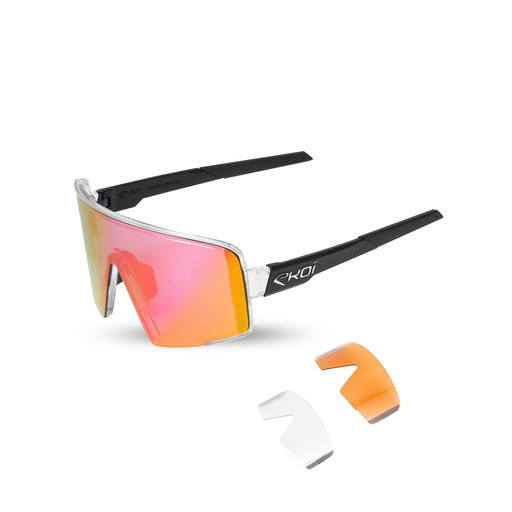 Glasses perf magnetic translucent white pink revoMagnetic 3 screens$185.99 -40% $309.99
 -
START
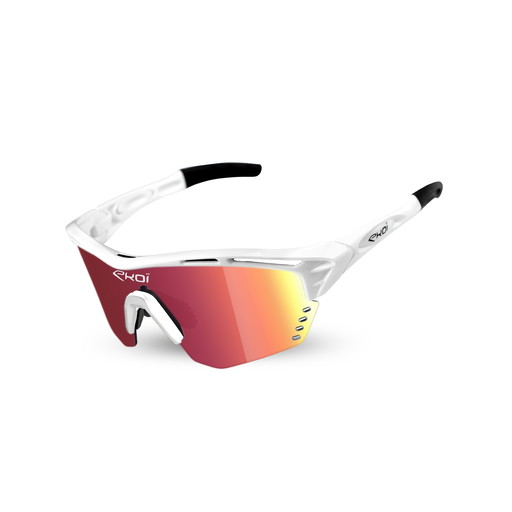 $55.00 -50% $109.99one size
 -
PERF
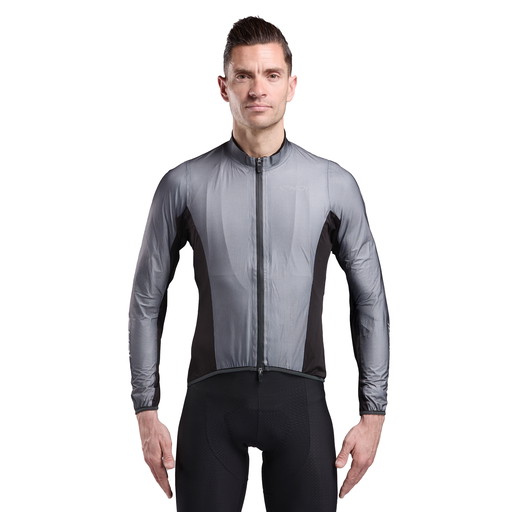 perf waterproof rain jacket100% waterproof Reflective$177.50 -50% $354.99SMLXLXXL
 -
RACING
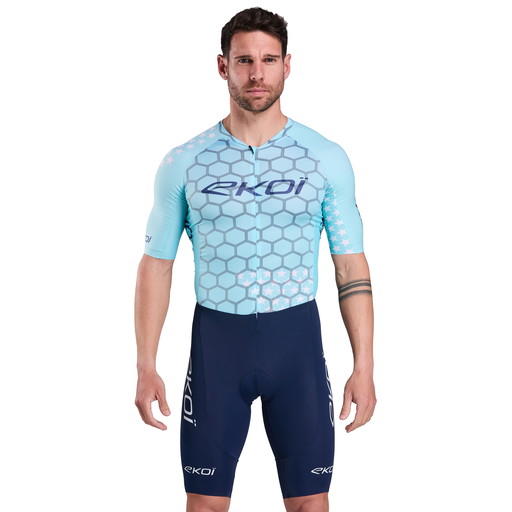 Skinsuit triathlon racing graphene azureTriathlon 8H+ Graphene®$325.49 -30% $464.99S
 -
PERF
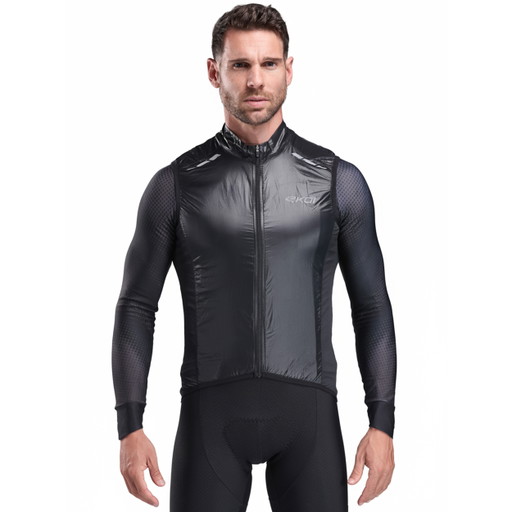 perf wind compact jacket blackReflective Wind proof$62.50 -50% $124.99SMLXLXXL